
Lead Generation Company In New York
Unleash your Business Growth Potential
With our proven Digital Ecosystem. Get Ready for 10X
» 360° Full Stack Digital Growth Marketing Services
» Business & Marketing Consultation / Mentorship
» Equity/Debt Funding & Business Loan Help
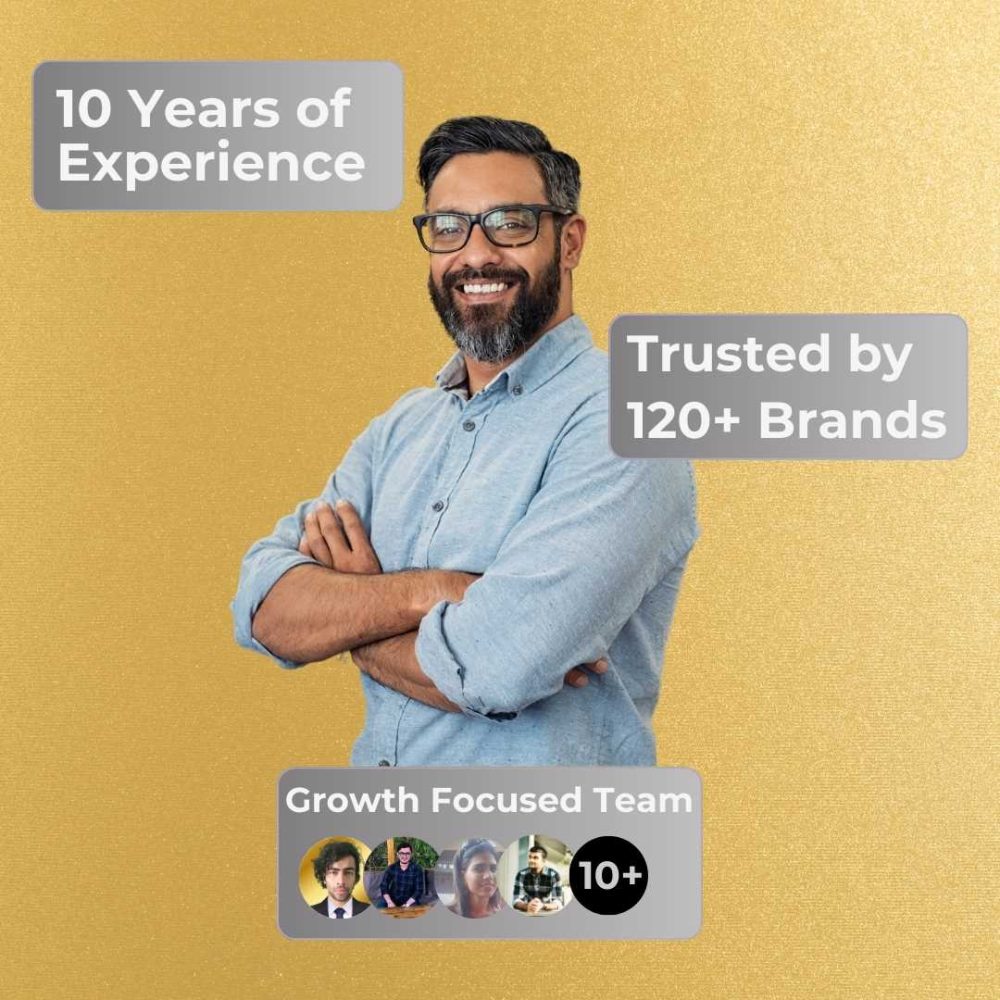
Trusted By 120+ Brands.






























3
STEP GROWTH PLAN

5.7x
GROWTH IN SALES

60
MINUTE STRATEGY CALL

100%
WORK TRANSPARENCY
Business Growth Solutions




Our clients love us
See what real Business Owners & Entrepreneurs are
saying about Invincible Lion Team

Ajay helped us shape the go-to-market strategy and the “Digital Ecosystem” helped us get consistent leads and high-paying corporate clients.
Team Invincible Lion worked on multiple projects with us and also help our clients with lead generation.

Anand Ram
Founder, Advity Infomedia

Team Invincible Lion helped us with lead generation. Because of this, I was able to focus on product innovation.
Ajay is an expert professional and with deep understanding of Businesses and its marketing requirements.

Nagashayan
Project Head , The Third Dimension

Ajay’s Digital Ecosystem helped AttainU get consistent Qualified leads and sales for our coaching program at AttainU. We were able to reduce the CPL and were able to get a better leads-to-sales ratio. We also had to hire fewer salespeople to convert Qualified leads.

Vaibhav Bajpai
Co-Founder & COO, AttainU
How It Work
Tell us about your Business Growth Objectives
We will help you with a Blueprint & Plan
10X Growth Systems for your Business Success
Business Growth doesn’t
have to be difficult and Complex.
Strategies that scale
your Business 10X Faster

After connecting with Ajay, I realised how Important Marketing Automation is!! Earlier we used to hire freshers/interns for minuscule tasks but automation does it better and efficiently. “
Ashish Kumar – Director
Experts with Wide
Range of Experience
We understand business and we have a team that is proficient in executing top-quality results.

Highly professional, Prompt Response, Delivers on time, Easy to work with, Patient, and Truly Creative. I’m a happy Client
RamChandran, CEO
Let's Build Your Brand!
What makes Invincible Lion Different?
Invincible Lion is not a Marketing Agency, It’s your Growth Partner.
Our Core beliefs are Growth, Community, Brand Building, and Market Domination.
And we help you do the same for your Business keeping our core Business beliefs and philosophies in Mind.
We also believe that if you can grow your business revenue profitably, there will be almost no business problem you can’t solve.
And we will help you Build systems of Growth so that you generate more revenue and your business thrives.
Because Businesses are built on Trust, Transparency, Community feeling and Fundamentals of Human Life.
Ready to scale you Business to new Heights?
Let’s connect on a Free Discovery cum Strategy call for 10X Growth

Lead Generation Company in New York: How to Choose the Right Partner for B2B Growth
New York is one of the most challenging — and rewarding — places to land B2B customers. Decision makers move quickly, inboxes are cluttered, and “good enough” outreach gets ignored. That’s why so many teams seek out a lead generation company in New York (or a NYC lead generation agency with experience) to establish a more predictable pipeline without killing internal bandwidth.
But they’re not all created equal. Some agencies are essentially lead list sellers. Others focus on appointment setting. Some are powerful in paid acquisition, and others are set up for proactive outbound lead generation in New York — cold email, LinkedIn, and calling — with tight qualification and sales handoff.
This guide does the hard work for you by disassembling what lead generation services NYC companies really offer, which type of agency fits your objectives, and how to assess vendors and estimate costs. You’ll also receive channel guidance – an end-to-end, actionable roadmap from kickoff to pipeline – with compliance and ethical outreach considerations, and industry-specific playbooks you can customize for whether you’re targeting Manhattan B2B leads, Brooklyn lead generation opportunities, or enterprise accounts across the state.
If you pick the right partner and actually understand “good leads,” New York can be your most profitable growth market — not the world’s most expensive experiment.
Read more
Why New York Is a High-Value Market for Lead Generation (and Who Benefits Most)
New York packs money, influence, and industry diversity into a small geography. That combo makes it great for B2B growth — assuming your targeting and positioning are sharp, how NY buyers assess risk, ROI, and credibility. A B2B lead generation company that New York businesses rely on speaks the language businesses in NY use to decide to buy.
NYC vs Upstate: market density differences and lead gen strategy
NYC is tough: more companies, more senior market participants, more competitors, and thus more noise. That shift also points the strategy toward precision — tight ICP filters, rich personalization, and multi-touch outreach. Upstate New York usually yields fewer target accounts per vertical, so focus on list quality and relationship-building over volume. In the city, you can run ABM-style plays across many accounts; upstate advantages often revolve around fewer, deeper sequences and partner-led introductions.
Major NY buyer hubs- finance, SaaS, media, real estate, healthcare, and professional services
Buyers in New York include core industries such as finance and FinTech, SaaS and enterprise tech, media & advertising businesses, real estate and property services companies, healthcare service providers and networks, and professional services businesses (legal, accounting consultancies). Not a bad thing, after all, one strong offer can be leveraged across segments — but messaging must also resonate in the buyer’s world (compliance for finance, outcomes for healthcare, speed and differentiation for media, trust with suppliers)!
AOVs, sales cycles, and stakeholders’ complexity in NY accounts
NY accounts also typically involve multiple stakeholders: finance, operations, IT/security, and business owners. Sales cycles may be weeks (for simple SaaS) or months (for enterprise, regulated, or multi-location deals). More steps should be included in your leadgen motion: discovery, technical validation, procurement, and legal—so that service for lead qualification in NYC captures real buying intent, not just mild curiosity.
Common errors when focusing on well-qualified prospects in NY.
Common pitfalls include:
- Overbroad targeting (“any company in NYC”)
- Focusing on features vs quantifiable results
- Flack is skeptical of bringing in a “generic” sequence that doesn’t fit the NY urgency and skepticism
- Mixing up a lead list and demand generation
- Lack of stakeholder mapping (emailing solely to one title)
- Under investment in credibility signals (case studies, security stance, proof points)
Steer clear of these, and New York can be a factory-style pipeline rather than an expensive crapshoot.
What a Lead Generation Company in New York Actually Does (Services Explained Clearly)
The term “New York lead generation agency” can be extremely broad, depending on the form of lead gen that the company’s wheelhouse: outbound, inbound, paid acquisition, ABM, or somewhere in between. The top lead generation companies in NYC make explicit what they deliver, how they succeed, and where the handoff to sales occurs.
ICP + Buyer Persona development for NY markets
You should include the ICP definition (industry, ARR range, headcount, tech stack, triggers), but Buyer personas should reflect NY reality: who influences decisions? What’s at risk for those involved, and what are they worried about? Includes “What outcomes do they care about?”
Lead list building vs demand generation: what you’re really buying
Lead list building is “who to reach out to.” Demand generation is “why they should care.” If you’re just buying a database, you’re really not buying a pipeline. One-minute analysis: Solid agencies click three circles: Targeting with effective positioning, offers, and iterative messaging.
Prospect and SDR/BDR touch-points (email, LinkedIn, calling)
An appointment-setting company that New York businesses often use would do multi-channel outreach: cold email, agency NYC-style sequencing, LinkedIn lead generation, New York-style outreach, and phone follow-up. The idea is to produce qualified conversations — not just replies.
Content-led inbound (SEO, landing pages, lead magnets) vs outbound
Inbound is especially effective when your market actively searches, and you rank with intent (for instance, “NYC compliance consulting” or “Salesforce implementation partner New York”). Outbound wins if you have to generate demand from a very targeted list of accounts. A lot of NYC demand generation agency models combine both: outbound to get the pipeline going, and inbound to lower CAC over time.
Paid distribution channels: Google Ads and LinkedIn Ads, with retargeting.
Here is a list of things our Performance marketing agency NYC leads consider running:
- Google search for high-intent keywords
- LinkedIn Ads – for role-based targeting and account lists
- Retarget to turn warm visitors into closer hot leads of cold traffic RTLU
- Paid works when you use strong landing pages and have a clear “next step” offer.
Account-based marketing (ABM) for NYC enterprise accounts
An ABM agency New York teams should work with should center on a named-account list, personalized messaging by segment, stakeholder mapping, and orchestrated touches across ads, email, LinkedIn, and content. ABM is particularly effective when a handful of wins can alter your revenue trajectory.
Lead qualification frameworks (MQL/SQL, BANT/MEDDICC) and handoff to sales
Expect clear qualification rules: MQL vs SQL definitions, plus structured discovery (BANT or MEDDICC-style prompts depending on deal complexity). Great SDR services: New York providers also create a clean handoff with notes, context, objections, stakeholders, and next steps.
Getting the reporting rhythm and what “good” looks like (not vanity metrics, pipeline!)
Reporting needs to link activity to business: number of meetings conducted, qualified meeting rate, opportunities generated, and pipeline influenced. Open and impression counts (vanity metrics) are relevant only when associated with learning or conversion.
Types of Lead Generation Agencies in New York (And Which One Fits Your Goal)
Not all lead gen services in NYC are created equal. Picking the wrong kind is how companies end up paying for “activity” without a pipeline.
Full-service demand gen agencies vs. specialist outbound shops
Full-service teams include messaging, content, paid, outbound, landing pages, and automation. Specialist outbound lead generation New York shops focus on prospecting and appointment setting. If you already have inbound working, a specialist outbound partner can fill the top of the funnel faster.
Appointment-setting vs Performance marketing agencies
In New York, appointment setting is success-driven, with high-quality meetings and show-up rates. Performance marketing agencies track metrics such as cost per lead, cost per conversion, and ROAS. If your sales motion requires one-to-one conversations with a specific role, appointment setting typically wins; if your market has strong search intent, paid can scale well.
Industry experts (FinTech, legal, healthcare, real estate) vs all others
Industry experts act faster because they know compliance, vernacular, and buyer objections. A good generalist can also do well as long as they have a truly rigorous approach to research and messaging. Specialization often increases believability and response rates in NYC.
Boutique NYC Agencies vs Big Network Agencies/Pros and Cons
But boutiques can offer senior attention and speed. Big agencies may offer greater resources and bench strength. The trade-off here is usually specialization vs. generalization—find out how much of your program is templated.
US-based team, offshore team, or hybrid (crucial for India + US collaboration)
For lead gen for Indian companies in the USA, hybrid models are best: strategy and messaging that align with US buyer expectations, execution scaled offshore. The magic word is governance–QA, approvals, and standardisation in reporting.
Agency vs in-house SDR team
Freelancer: has been great for small tests, scale is very limited, and so is full redundancy
Agency: Ramp, systems, and a multi-skilled team at a faster
In-house SDRs: long-term asset, but slower ramp and more overhead on mgmt
Choose based on urgency, budget, internal bandwidth, and the repeatability of your offer.
How to Evaluate a New York Lead Generation Company (Due Diligence Checklist)
A New York outreach agency can have a great website and still fail to generate a qualified pipeline. Consider using this checklist to assess competency, fit, and institutional maturity.
Proof of experience – case studies (vertical, ACV, sales cycle, channels)
Request examples that are close to where you are: in your vertical, at your ACV size, with the same sales cycle length, and working on a similar channel mix (cold email, LinkedIn, call-down, or paid). A case study should explain: targeting, offer, volume, qualification criteria, and results (meetings booked, opportunities won), not just “leads generated.”
Sources of information – what to request from previous buyers (quality, responsiveness, consistency)
When speaking to references, ask:
- Was the lead quality consistent with the ICP that had been agreed upon?
- Did they hold up month-over-month, or just in the initial sprint?
- How did they approach the problem of underperformance?
- Were communications proactive, and was transparency evident?
- Did they fix messaging built on real objections?
Transparency of the process: discovery→pilot→scale
A professional sales development agency in NYC will describe its action plan: discovery, offer design, pilot launch, optimization, and scaled rollout. If an agency goes straight to “we’ll send 100k emails,” you’re probably just buying volume, not strategy.
Definition of lead quality: Match on ICP, intent, fit, and sales readiness
Define “good lead” in writing. Quality should include:
- ICP fit (company + role)
- Context: (pain, trigger, or use case)
- Explicit sign (asked meeting, timeline share, agreed to next step)
- Sales readiness (right stakeholders and time frame)
- Without it, you’ll be arguing about results every month.
Sources and list hygiene – where the contacts come from and their verification
Find out how they’re compiling contacts (first-party research, reliable data vendors, LinkedIn-based research) and how they’re validating emails. List hygiene includes deduping and suppression lists, and refresh cycles. And if you’re chasing New York business leads, accuracy is even more important, as bounce rates threaten deliverability.
Message capacity. Does the agency write a strong value prop/sequence?
Review real sequences. Look for:
- The value is clearly, specifically, and reasonably stated (not hype).
- Evidence points (specific results, not just vague claims)
- Meaningful personalization (not “I saw you’re in New York”)
If you sound like everyone else, expect NYC-level crickets.
Deliverability proficiency -domains, warm-up, authentication, inbox placement
Cold outreach is about real deliverability: domain setup, inbox warming, SPF/DKIM/DMARC alignment, throttling, and monitoring. An NYC cold email agency that buys will respond to is one that knows inbox placement and complaint avoidance are more important than just blasting out high volumes.
Stack familiarity with tools like HubSpot/Salesforce, Apollo/ZoomInfo alternatives, & LinkedIn tools
If you’re on either HubSpot or Salesforce, the agency should plug in smoothly and track lifecycle stages without creating a jumble of duplicate junk. Inquire what they prospect and enrich (Apollo/ZoomInfo replacements, etc.) and how they record their activities.
Team composition: strategist vs SDRs vs copywriter vs ops
You want clarity over who does what:
- Strategist (ICP, offer, segmentation, KPI)
- Copywriter (messaging and sequences)
- SDRs/BDRs (execution, replies, calling)
- Ops (Delivery, CRM hygiene, reporting)
Quality often suffers at scale if one person is doing it all.
Red Flags: Guaranteed Lead Volume, Ill-Defined Reporting, No Mention of Compliance, “Spray And Pray”
Be cautious if you hear:
- “Guaranteed 200 leads/month” (without specifying quality)
- Reports are limited to opens and sends only
- No talk of opt-outs or suppression and respectful contacts policies
- No pilot, no Q&A, no learning plan
- New York rewards precision. “Spray and pray” will burn your domain and brand.
Lead Generation Pricing in New York: Models, Ranges, and How to Avoid Overpaying
New York lead generation pricing is all over the map because “lead gen” can refer to list building, SDR outreach, paid media, ABM, or full-funnel demand gen. The surest way to avoid grossly overpaying is to compare scopes and definitions (not just prices).
Standard pricing – Retainer, Cost per lead, Cost per appointment, Performance-based, Hybrid
Common models include:
Retainer: Fixed monthly, agreed scope (typical for outbound + ABM)
Per lead: Priced at per contact that conforms to a definition (risk: it can have lax definitions)
Per appointment: cost of each appointment booked (make sure qualification criteria)
Performance: based on results (frequently comes with strict attribution rules)
Hybrid: retainer + incentive on a qualified meeting and/or opportunity basis
What influences cost in NY: targeting seniority, industry, list quality, channels, and personalisation level
They go up when you’re targeting senior titles, a regulated industry, or an enterprise account. The more deeply personalized or orchestrated the operation, the more labor is required to distribute at scale, and this is where deep personalization or ABM orchestration becomes pricier than broad SMB sales outreach. Multi-Channel (email + LinkedIn + calling) also increases costs due to SDR time.
Small Budget Thresholds (Startups vs SMB vs Enterprise)
Rather than pursue one all-encompassing “NYC price,” consider what it would take to make it worth your investment:
Startups: targeted pilot on one area and very focused messaging
SMB: Outbound multi-segment + Basic inbound support
Enterprise: ABM, stakeholder mapping, content assets, sales alignment. 360 Leads helps mid- to large-sized businesses optimize their lead generation by driving meaningful conversations and measuring ROI.
The right budget provides enough volume to learn and includes brand and deliverability protection.
What’s usually included: strategy, copy, list, tech, SDR time, and reporting
A well-defined scope can often contain ICP work, segmentation, list building, copywriting, multi-touch sequencing, SDR activity of sending emails, managing deliverability assuming the appropriate tools are in place to enforce best practices and volume caps, qualification what counts as ‘lead’ information that is ready to be transacted properly before being passed for ‘sales accepted lead’, meeting booking, and reporting. CRM integrations and lifecycle tracking can also be part of New York-based HubSpot lead-generation agency programs.
Costs you don’t expect: Tools, landing pages, Ad spend, Calling minutes, Data enrichment Crm
Watch for add-ons:
- Data tools and enrichment
- New Inboxes and Warm Up Software
- Landing pages & Conversion tracking
- Advertising spend and production of creatives
- Call minutes and dialer cost
- CRM scrubbing, automation, and reporting dashboards
How to ensure apples-to-apples comparison of proposals (scope and definitions)
Compare:
- Segments and personas included in the list
- Channels used (email, LinkedIn, calling, ads)
- Definition of meeting (fit + intent + who is the stakeholder?)
- Quality control (QA, deliverability, suppression lists)
- Reporting performance (the outcomes of your pipeline vs vanity)
Contract terms: pilot periods, SLAs, ramp-up time, exit clauses
Search for a pilot period (typically 4–8 weeks), realistic ramp-up language, and SLAs around response time and reporting. Make sure you have an exit clause if standards drop — and figure out who owns the data, lists, and creative once the deal is over.
Best Lead Gen Channels for New York Prospects
NY prospects best respond to relevance, credibility, and respectful persistence.” The “best” channel is often a well-coordinated mix, not an individual tactic.
Cold email
Cold email still works when you keep volume sane, segment tightly, and write like a human. Utilize sending domains, authenticate correctly, warm up, and throttle sends. Lead with short, results-oriented messages that include a direct ask. Monitor your replies and complaints closely—your domain reputation is precious.
LinkedIn outreach/connection, thought leadership/DM sequences
There are a few ways that you can generate leads in the New York area, but LinkedIn alone will perform well if you mix:
- Smart targeting of connections (right role, right account)
- Values light touch (insights, short examples, relevant assets)
- DMs that prompt a reply rather than demand a meeting
Though leadership is most effective when it supports outbound (prospects who view your content convert at higher rates).
Cold calling to NY (timing windows, gatekeepers, voicemail approach).
Calling can be effective when it is targeted and well-prepared. Use narrow call windows, plan how to handle gatekeepers, and keep your voicemails short and contextual. It is not to “pitch” but to establish ownership, validate the pain, and secure the right next step.
Paid lead gen LinkedIn – lead forms vs website conversions
They are more expensive than lead form ads and can produce much higher volumes, but need strong filtering (if cool offers like one-click apply are behind a gate, fraudsters will just click and spam) and follow-up to be fast. Website conversions will likely have higher intent, but your landing pages and offers need to be exceptional. Most teams utilize both: lead forms for top-of-funnel and site conversions for bottom-of-funnel.
Partnerships and channel sales in NY (affiliations, events, referrals)
Cold outreach may not perform as well as partnerships in trust-heavy categories (IT services, consulting, healthcare). Consider alliances, co-marketing with complementary companies, and referral arrangements. In NYC, a warm intro can significantly shorten sales cycles.
Local intent inbound- “near me” & New York City landing Pages
If you’re aiming for NYC demand generation, just create location-based pages: Manhattan, Brooklyn, Queens, and “New York” variations — but no keyword stuffing. Toss in proof points, local case studies (when available), and a clear CTA.
Leads through events: trade shows, meetups, and post-event follow-up
Events work if you prepare a follow-up before you arrive. Take notes, tag leads by intent, and have a concise follow-up sequence in place within 24-72 hours of the event. The real money is in the follow-up, not in the badge scan.
The Lead Gen Process You Should Expect (From Kickoff to Pipeline)
A simple process is often all that separates reinventing the wheel from having a pipeline. Whether you choose to employ an NY lead generation company, go with both states, or something in between, here are the stages.
Week 1–2: discovery, ICP, exclusions, compliance success criteria
You will line up on ICP, exclusions (who you want to target), the set of buyer roles, and what success looks like. This is also where compliance and brand guardrails need to be documented—particularly crucial for lead gen for Indian companies in the USA.
Offer design. Positioning and “why take a meeting” angle
NYC prospects do not attend meetings to “learn more.” They schedule meetings aimed at the point: benchmark, teardown, assessment, roadmap, demo, adapted to their use case or quantified business case. Your offer needs to make the cut.
List building + segmentation (industry, headcount, revenue, titles, and tech stack)
Segmentation drives relevance. For example, lists should be based on industry, company size, titles, and often on tech stack or triggers. Here’s when “New York business leads” becomes a prioritized account map.
Pattern by stage at sequence-create: multitouch over email + LinkedIn + calls
Anticipate multi-touch sequences: email stroking, LinkedIn pinging, and calling if you can. Every touch must provide value — a new angle, proof point, or possible different “reason to respond.”
QA and launch: deliverability testing, tracking, CRM configuration
Pre-launch: Authenticate domains, check inbox placement fundamentals, and check links and tracking. Lifecycle stages and ownership are the types of things that should be defined during CRM setup to ensure leads do not fall between the cracks.
Qualification & Booking: Calendars, time zones, and preparation notes for meetings.
Booking should include calendar links that respect time zones, meeting prep notes: who, account context, what they responded to stakeholders/any found pain points.
Optimise weekly: classification of replies, A/B testing of autocandies in messaging, etc.
You can also do weekly reviews of reply types (positive, neutral, objection, unsubscribe) and show reply rates and qualification quality. Plan for iteration: tweak subject lines, offers, and segments based on what you learn.
Efficient growth: too much volume -> jump into new segments / offers
Scale after you have validated message-market fit. Responsible scaling involves ramping up and expanding into surrounding segments and offers, without damaging deliverability or the quality of generated leads.
Compliance, Privacy, and Ethical Outreach
Compliance is not simply a legal checkbox — it is brand protection. Ethical outreach gives you better deliverability, fewer complaints, and lasting New York growth. The following is practical, not legal guidance, and represents best practices.
Permissioning and opt-outs: what is included in “compliant outreach.”
Your email should have a clear identity, an honest headline, and an easy opt-out. Honor opt-outs immediately and maintain suppression lists across all campaigns. Ethical outreach also means not hounding people who have already made it pretty clear they are not interested.
Data handling expectations (e.g., storage, access controls, retention, and deletion), etc
A legitimate vendor will be clear about where data is stored, who can access it, how long it’s kept, and when deletion requests are honored. This is important when coordinating across India–US teams and instruments.
Email compliance 101 (practical, not legal overview) and how to implement best practices.
Best practices include:
- Use authenticity in the names of senders and companies
- Keep content in line with the role of the recipient
- Voluntary inclusion and respect the opt-out
- Steer clear of misleading copy or false claims
- Restrict the volume and check if there are complaint signals
These techniques protect your domain and brand, regardless of the regulatory terrain.
Attitude toward calling/sms and contacts
For calling, honor time zones, keep scripts genuine, and don’t pressure leads. Be extra careful when using SMS—use it only where appropriate and expected. Always prioritize the recipient’s experience.
Contract terms to look out for: confidentiality, DPA language, liability caps
Be sure that your agreement covers confidentiality, data processing responsibilities, breach response, and liability limitations. If you’re granting access to a CRM (HubSpot or Salesforce), clarify permissions and auditability.
Brand safety: Avoiding complaints of spam and damage to reputation
Brand safety is operational: tight targeting, thoughtful copy, controlled volume, and fast opt-out handling. “More volume” is rarely the fix in NYC—better relevance is.
Collaborating across India–US: time zones, sharing data, and approvals
Establish approval workflows for copy and targeting, specify response-time SLAs, and determine who should reply in real time. A handoff gap of 12–24 hours can cost deals in fast-paced NY markets.
New York Lead Qualification: What Counts as a “Good Lead”
If you don’t define lead quality, you’ll optimize for the wrong thing—usually volume. Quality over quantity in New York because senior stakeholders have a low tolerance for irrelevant outreach.
Lead vs MQL vs SQL vs opportunity: clear definitions
A practical model:
Lead: The contact AND meets basic targeting filters
MQL: interested (download, responded, attended), not yet qualified for sales
SQL: qualified for sales conversation based on fit + intent
Opportunity: Sales has established a deal or purchase process.
Your NYC lead qualification partner should mirror your CRM definitions.
NYC buyer qualifiers questions (price range, decision, urgency)
The classic BANT model of selling works when applied properly:
Budget: “How do you typically pay for initiatives like this?”
Authority: “Who else needs to point of view in?”
Need: “What’s the business result of solving this now?”
Timeline: “Is there an internal deadline or trigger that’s forcing this?”
The Buy Ins: Precision and Respectful Questions. No Interrogation, Just Clarity NYC buyers like clear questions that get directly to the point.
Disqualifiers you should set upfront (industry exclusions, minimum size, geography)
Establish disqualifiers early on: minimum employee count, revenue range, disqualified industries, non-US regions (if not supported), or tech stack incompatibilities. This is what keeps your New York appointment-setting services focused on deals they actually have a chance of winning.
Quality of the meeting scoring – Show rate, fit rate, and opportunity rate
Measure beyond “meetings booked”:
- Show rate (held/booked)
- Fit rate (meetings held that fit the ICP)
- Opportunity rate (% of held meetings that become opps)
These are the numbers that tell you whether you’ve got a targeting problem, an offer problem, or a qualifying problem.
Pipeline metrics – CAC payback, win rate, sales cycle, ACV effect
Ultimately, NoY outreach should lead to better pipeline health — more ACV, stronger win rates, shorter sales cycles, or higher-quality logos. · Monitor CAC payback and conversion rates by segment.
Attributoral expectations: what is/isn’t attributable to the lead gen agency
Outbound and demand gen drive the pipeline, but attribution is a mess. Decide on the accountability: meetings and opportunities formed, pipeline influenced within a set window of time. Don’t rely on an agency to “own” your close rate — Sales execution still counts.
Industry-Specific Playbooks for New York (Examples You Can Adapt)
NYC isn’t a singular market— it’s many mini-markets.” Leverage as a starting point and customize for your offer, proof, and ICP maturity.
SaaS focused on NYC Mid-Market roles, pain points, angles, proof points
Targets: VP Ops, RevOps, IT, Finance, and functional heads.
Common aches: Tool sprawl, reporting gaps, manual processes, compliance pressure, and customer churn.
Angles: “reduce cycle time,” “improve forecasting,” “automate reporting,” “cut risk.”
Proof points: measured results, rapid implementation, quick integration.
Execution tip: Run LinkedIn and cold email in parallel, and leverage a “mini teardown” or a customized demo as the meeting hook.
IT services/outsourcing (India → NY): trust-building, audits, security, delivery model
Targets: CIO/CTO, Head of Engineering, IT Director, Security Procurement.
Big objections: risk, communication, security, and continuity.
Execution tip: Start with credibility (what certifications we actually have, which processes we actually intervened in, and what actual outcomes are) and propose a low-risk pilot.
Financial services/FinTech – compliance environment specific messaging, and senior stakeholder mapping
Targets: compliance, risk, IT/security, product, operations.
Aspects: audit maturity, better controls, less operational risk, quicker reporting.
All messaging must be conservative and accurate –strike the note of hype.
Execution tip: early stakeholder mapping and long cycles are the norm; ABM often trumps standard outbound here.
Real estate and property services, local credibility, speed-to-response, relationship selling
Target audience: property managers, asset managers, developers, brokers, and operations.
Angles: speed, reliability, tenant experience, cost control, and operational transparency.
Execution tip: local proof is key – think NYC-specific landing pages and fast follow-up. Relationships and referrals can be more effective than cold outreach.
Healthcare and clinics – careful outreach, referral pathways, partnering.
Target: executives, operations, practice managers, network leadership.
Execution tip: leverage partnerships (associations, vendors) and educational content; soften outreach to be respectful & non-invasive.
Legal/accounting/consulting – authority-led positioning and thought leadership funnels
Targets: managing partners, practice leaders, and firm administrators.
Angles: differentiation, specialty niches, predictable client acquisition, and higher value engagements.
Execution tip: outbound performs best when coupled with authority assets—e.g., insight posts, short guides, webinars, or “issue brief”- style lead magnets.
D2C/CPG moving into NY retail: buyer lists, distributor outreach, showroom/event strategy
Targets: category buyers, retail ops, distributors, brokers, and specialty stores.
Angles: sell-through, margin story, brand momentum, marketing support.
Execution tip: Layer buyer outreach on top of event-based strategy (showrooms, tastings, pop-ups) and tightly sequenced post-event follow-up.
Questions to Ask Before Hiring a Lead Generation Company in New York
By asking the questions I list below, you can quickly discern whether you’re working with a real growth partner — or simply another vendor selling activity.
Strategic, About Strategy, ICP, Segmentation, Channel Selection
- How would you characterize the ICP for NY markets? What data feeds are needed?
- How do you slice NYC accounts (industry, size, triggers, tech stack)?
- What channels are your top ones for our offer — and follow up with examples of why (email, LinkedIn, calling, paid, & ABM)?
- In 30/60/90 days, what does “success” look like?
Execution: Who’s the copywriter, who does outreach, QA process, etc?
Who writes our sequences: a veteran copywriter or an SDR?
- What’s the most efficient way to research accounts for customization without taking up a lot of time?
- What are the pre-launch QA points (links, compliance text, targeting checks)?
- What about responses — who takes them, and when?
On data – where you get it from, how often it’s refreshed, and list-ownership
- How do you get contacts, and how do you verify them?
- What is the frequency for maintaining and updating lists to weed out dead contacts?
- What happens to the list and targeting logic once the engagement ends?
Deliverability domains and inboxing throttling remediation plan
- How do you configure domains and authentication?
- What’s your volume ramp plan if you win?
- How do you address the situation if deliverability declines?
On reporting – metrics, dashboards, kill sheets/ transcripts, and weekly reviews.
- How often and of what do you report weekly (meetings, % fit, opps caught, pipe)?
- Can we access dashboards?
- Do they share call recordings and transcripts, as well as their findings on reply classification?
For Outcomes – Pragmatic ramp-up, success at 30/60/90 days
- “In the first month, what can we realistically expect as a representation of our segment?
- What signals show that we are on the right path?
- What would make you stop or change course?
Regarding working style: time zones, communication, escalation, and account management
- Who is our daily owner and escalation point?
- How do you manage India–NY workflows and approvals?
- How often and how fast will you communicate?
30/60/90-Day Plan to Start Generating Leads in New York
You don’t need that US office to attract NY clients—but you do need a plan that will build credibility fast and run smoothly across time zone lines.
Day 1–30: building a foundation (offer, proof, landing page, CRM, compliance, pilot segment)
- Nail one core offer: audit, teardown, assessment, or a job-specific demo
- Creating a niche landing page that contains proof (case studies, results, process FAQs, etc.)
- Implementing CRM stages and handoff rules (HubSpot or Salesforce)
- Define who we are before getting started – Compliance101: Opt-outs, Suppression lists, and reply handling
- Select one pilot segment (1 vertical + 1–2 personas).
- Result: a well-managed rollout with clear tracking and a well-defined SQL.
Days 31–60: optimization (message-market fit, objections, qualification tightening)
- Monitor responses and objections weekly; adjust language based on actual buyer wording
- Qualification will be tightened: disqualifiers, stakeholder checks, intent signals
- Increase show rates on meetings through better calendar workflows and reminders
- Roll out to a second micro-segment only once you find at least 3 fit rate stable.
Result: increased conversion from reply → meeting held → qualified opportunity.
Days 61–90, scaling (new offers, ABM for top accounts, paid amplification)
- Responsibly scale volume to ensure deliverability is maintained
- Bring in ABM-lite for top accounts (stakeholder mapping + tailored assets)
- Stacked paid retargeting for warm clicks/profile views:
- Make 1 authority asset (book/webinar) to help credibility outbound
Outcome: a repeatable pipeline engine with known inputs and quantified outputs.
Sales enablement: scripts, objection handling, meeting prep, proposal templates
- Establish a standard script for discovery and (dis)qualification
- Craft an objection library (pricing, “not now,” “send info,” “we have a vendor”)
- Templates for meeting prep notes and follow-up.
- Enhance proposals that outline scope, timeline, and identifiable outputs
Fast building of US credibility: local phone, US address options, reviews, case studies, partnerships
- Call using a US telephone number for contacting and follow-ups
- Have a professional presence (a clear website, policies, and process)
- Gather reviews/testimonials you can genuinely use
- Think about getting together with US-based consultancies or partners who have a complementary offering
Time zone operations: India–NY scheduling, handoffs, follow-ups, SLAs
- Introduce a daily overlap window for approvals and escalations
- Determine who is doing live responses during NY business hours
- Implement SLAs on response times so warm leads don’t go cold
DIY vs Hiring a New York Agency: What to Choose Based on Your Stage
The correct choice varies depending on urgency, the complexity of your approach, and in-house bandwidth — not simply on budget.
If you’re a startup: prove out ICP and messaging with a narrow pilot
Startups should run a tight pilot: one segment, one offer, one channel mix. What you’re aiming for is to learn fast — which messages win meetings and which objections obstruct conversion. Before you ramp up, a small outbound program can validate your positioning.
If you’re scaling – build a repeatable pipeline with ABM + outbound / paid
Scaling teams require repeatability: wired SQL definitions, a regular meeting cadence, and diverse channels. An NYC demand generation agency can assist with integrating outbound with retargeting, landing pages, and content to improve conversion over time.
If you’re an enterprise, multi-stakeholder deal support and account penetration
Enterprise lead gen tends to be account penetration: multiple purchasers, longer cycles, and a higher burden of proof. ABM programs and quality SDR services can enable New York teams to have very strong multi-threading per account.
In-house SDR team checklist (hiring, tools, ramp times, management)
In-house can be effective if you can:
- Hiring and onboarding SDRs
- Tooling (data, sequences, dialer, CRM ops)
- Coaching and QA
If you’re unable to stand like that, an agency could be quicker.
FAQs About Lead Generation Companies in New York
How much does a lead generation company in New York cost?
The price depends on your scope (outbound, paid, ABM, inbound) and on the targeting complexity. The best estimate is to scope channels/meetings/lead definitions, expected volume drawdown, and then compare the breadth of response on the same terms.
What’s the difference between leads and appointments?
A lead is a contact or organization that matches your targeting criteria. An appointment is when two people plan to meet. A “good” appointment also meets the qualification rules (fit + intent), not just a spot on the calendar.
How long before results show?
Most outbound programs require a ramp period for setup, deliverability, and iteration. You can get preliminary responses quickly, but bona fide appointments often require experimentation, optimization, and process alignment with sales.
Can a NY agency generate leads for B2B only, or B2C too?
Many agencies do both, but the playbooks are vastly different. B2B is about targeting accounts, mapping stakeholders, and qualifying. B2C leans more into paid media, creative, and conversion rate optimization.
Do lead gen agencies provide verified email lists?
Some are, but “verified” can mean different things (check the format, ping your vendors, or validate with a leading data provider). Ask how they verify, how frequently lists are refreshed, and what happens with bounces and suppression.
Is cold email legal in the US and New York?
Cold email is commonly used in B2B, but you should follow practical compliance best practices: truthful messaging, clear identification, and easy opt-out handling. Align your process with your risk tolerance and internal policies.
What industries are easiest/hardest in NYC for outbound?
“Easiest” tends to mean: clear ROI and accessible buyers (a lot of B2B SaaS and services niches). “Hard” is usually a very regulated and saturated segment, unless you have a strong differentiation or credibility (some finance and enterprise)
How do you ensure lead quality and reduce no-shows?
Employ rigorous ICP filters, clear meeting outcomes, confirmation workflows, and qualification before booking. Share prep notes with the closer and follow up soon after booking.
Can an Indian company target NY clients without a US office?
Yes. You’ll need stronger credibility signals, clear delivery processes, and operational coverage for NY time zones. A hybrid outreach and follow-up model usually performs best.
What KPIs should I track weekly?
Track: meetings booked, meetings held, fit rate, opportunity rate, top objections, reply sentiment, and pipeline created/influenced. If you’re running paid, also track conversion rate and cost per qualified conversion.
If you want a partner that can combine strategy, outbound execution, qualification rigor, and growth-focused reporting—without the “spray and pray” approach—Invincible Lion can help. We build targeted outreach and demand generation programs designed to create real pipeline in New York, including for Indian companies expanding into the US.